Home Blog Page 2

Two-Toned Kitchen Design

Co-ordinating Kitchen Colors

For large kitchens with a great deal of cabinetry and granite countertops, using two tones of wood and granite can help enhance the kitchen design.

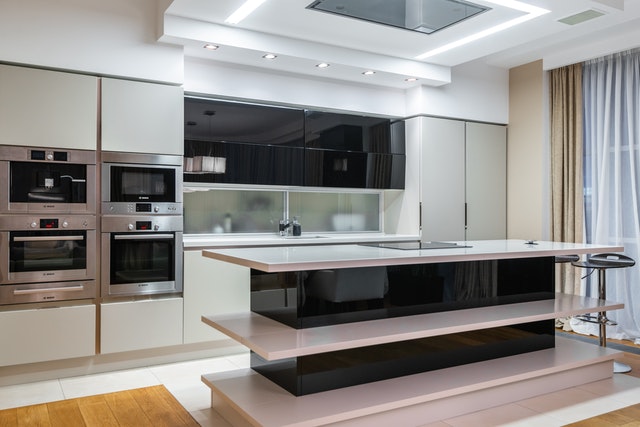
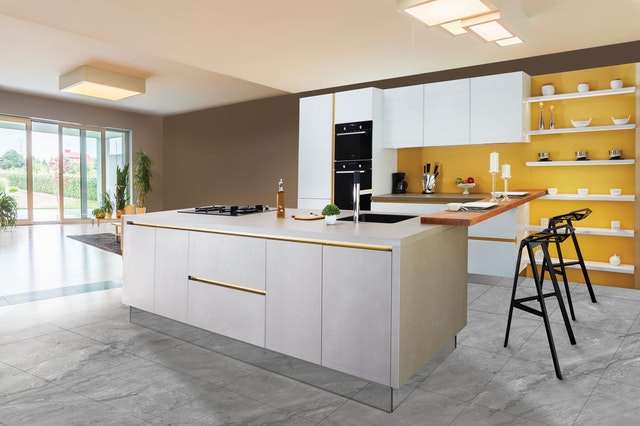
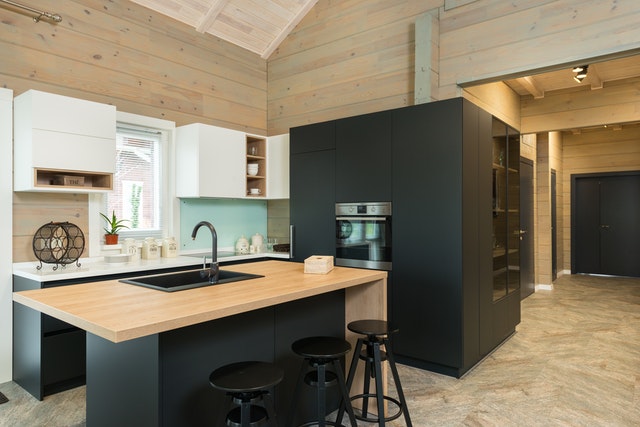
Large, spacious kitchens, including islands for seating and prep work, may begin to feel homogenous with large amounts of the same color running throughout. Utilizing a different color of cabinetry, and a different counter on the kitchen island, can break up the room and help add more detail without overwhelming the design.

Using Different Counters

For homeowners who do a great deal of cooking or entertaining in the kitchen, utilizing the second countertop material on the kitchen island can be beneficial. Wood butcher block counters for prep work are available in various wood tones and patterns. Look for zebra wood in modern kitchens or a contrasting wood tone to the kitchen cabinetry for more traditional looks.

For bakers or those who do a great deal of dough kneading in the kitchen, consider using a marble countertop on the island. A honed marble surface is excellent for working dough that needs to be kept cool. Also, be sure to use a durable material such as granite or a quartz counter in the rest of the kitchen for prep work and cutting, as marble does tend to stain and scratch when exposed to wines, acids, and knives.

If the island is a heavily used seating area, consider using a quartz composite or recycled glass countertop rather than natural stone. Quartz and other artificial counters are impervious to staining, scratching, burning, or etching, making them great for high-use areas. If using a quartz counter with granite in the rest of the kitchen, choose a color of quartz that is predominantly solid, with little patterning, and picks up a color from the granite. If using a recycled glass island counter, consider using a recycled glass backsplash to tie the two areas together.

Using Complimentary Colored Counters

If using the same type of material for the cabinet counters and the island counter, consider using two complementary shades rather than keeping them both the same. If using granite, try picking out one of the dots or veins of color from the main counter to use on the island. For example, if using light-colored granite, such as Giallo Ornamental, on the kitchen counters, which has dark brown and occasional cranberry dots, try using Imperial Coffee Brown, a rich dark-colored granite on the island counter, to complement and anchor the design.

If using dark granite on the main counters, such as Absolute Black, consider using granite with a great deal of color and movement for the island counter, such as Juparana Fantastico or Costa Esmeralda. It will give a focal point to the room without overwhelming the space, as would the use of a wild counter throughout.

Using Two Wood Tones

Using two tones of wood in the kitchen design, keeping the main cabinets one color and the kitchen island a second color can help keep a kitchen from seeming overly light or dark. For example, a kitchen with white cabinets may consider a mahogany wood island to help cement and anchor the design. In addition, it allows for the use of mahogany hardwood flooring accents inlaid into a lighter floor and deeper tones of granite and backsplashes.

If the kitchen cabinets are a dark tone, consider using a white or light-colored kitchen island to contrast. Consider wenge for the main cabinets, with a bleached maple island for a modern kitchen, or two tones of cherry for a more traditional look.

Using two colors in a kitchen design can bring added design elements without added decoration. For example, consider using two colors of cabinets and counters in a kitchen and bring new depth to the space today.
Kitchen Cabinet Designs

Focusing on the Cabinetry of Kitchen Design

The kitchen cabinets are the first things seen when entering a kitchen. Choosing the right kitchen cabinet doors and drawers can set the tone for the kitchen style.

Whether undergoing a total kitchen renovation or just refacing the cabinet doors, the kitchen design can go nowhere without the style of the cabinets. Whether creating a Tuscan kitchen, or a modern style, the cabinet doors play a big part in how the kitchen looks and feels.

Begin with the Counter

If a set theme or style for the kitchen with specific cabinet doors is not already in place, try letting the counter lead in choosing the cabinet doors. If using granite, it’s especially important to select the exact slab that will be used before beginning to make the rest of the kitchen design decisions.

The kitchen counter helps dictate what the cabinets will look like in two ways. The first is color. Many kitchen counters will have multiple colors, shades, and tones running through their surfaces. These tones can help the homeowner set the entire pallet for the kitchen design. For example, try picking up the deep brown tones in Giallo Ornamental with a wenge or walnut-colored cabinet door. Or focus on the few white and cream accents seen in Uba Tuba or Butterfly granite, and match the cabinet doors to the granite veins.

Even Corian and engineered stones will frequently have small dots and colors that can help determine the color of the cabinets. Caesarstone’s Crema, for example, has multiple tones of cream, yellow, and caramel in a limestone pattern. Try taking one of those shades and lightening it up for the cabinet door color. Or, go the opposite direction, choose the darkest shade on the counter, and then deepen it even more for the cabinet doors so that the design flows smoothly.

Besides the color, the counter helps determine the type and style of the kitchen cabinets. With a great deal of movement and veining, wild granites and stones will take center stage in a kitchen design. A simple cabinet door, such as a slab, mission or shaker, or a modern door, in glass or stainless steel, will work better than a cabinet with more detail.

More sedate counters, such as closely grained granites, engineered stones, and Corian, can handle a more decorative cabinet door. Look for mitered doors or French Country cabinets, with their carved doors, millwork, crown moldings, and corbels.

Set the Theme

Another way to select kitchen cabinets, or narrow down cabinet choices once the counter has been selected, is to set a theme for the rest of the kitchen. An Italian kitchen, for example, will have sleek doors and an uncluttered appearance. Accent it with a modern kitchen floor in textured Italian porcelain, and bring the cabinets up on legs to enhance the design.

On the other hand, a Tuscan kitchen will have dark, heavy cabinets in warm colors. More rustic, the cabinets will have simple decorative lines in their moldings.

Country and rustic, farmhouse-style kitchens will have simple, blocky cabinet doors, often with a heavy frame. Two colors are available for painting or staining the cabinets, one on the outer edge or frame and a second color on the interior to highlight the design. Truly rustic style cabinets are available with worn, rubbed finishes and even pinholes in the wood. Finish these cabinets with a farmhouse sink and a travertine or slate floor.

For transitional looks that can embrace modern sensibilities and classic decorative components, look for shaker door styles with clean, classic lines. Shaker doors will work with nearly any style of the countertop and look good in many finishes and colors.

Try shaker doors in eclectically styled kitchens with wild granites and decorative backsplashes. Dress up the cabinet doors with handpainted knobs and pulls to add an extra touch of decoration without pushing the design over the edge.

Remember to keep the design moving in whichever direction it is set. Finish modern kitchens with large format porcelain floors and stainless steel pull on the cabinet doors. Add handpainted backsplash tiles to a French Country kitchen while using durable, timeless French Limestone tiles on the floor in a Versailles pattern. Finish off the design with complimentary wall colors and lights.

The kitchen is one of the most utilized rooms in the home, so make sure it’s comfortable, functional, and suits the homeowner’s style to continue to enjoy its use for years to come.

Kitchen Backsplash Designs with Tumbled Marble

Natural Stone Tile in the Kitchen Design

Tumbled marble tile creates warmth and welcome in any space. Enhance the kitchen backsplash design with tumbled stone and focus on the room.

With their worn edges, muted colors, and soft surfaces, tumbled stone tiles appeal on many levels. Incorporating them into the kitchen backsplash design makes it possible to add an extra dimension to the kitchen design. Make even the most format kitchen feel like a welcome retreat for guests by creating a tumbled marble backsplash.

Choosing the Pallet

Tumbled stone tile comes in a variety of hues. Nearly any marble, limestone, or travertine tile can be tumbled to create a worn, soft appearance incorporated into any design.

When deciding what colors of tumbled marble tile to use in the kitchen backsplash design, begin by looking at the kitchen counter. If using granite or an engineered stone with multiple colors, try to pick some of these colors up in the backsplash.

For example, if using a richly colored granite counter such as Madurai Gold, try incorporating Jerusalem Gold tumbled stone into the backsplash. Accent the Jerusalem Gold with Rojo Alicante and Coral White travertine to create a warm, soft backsplash that reflects the granite. Use approximately 50% Jerusalem Gold, with 25% of each of the other stones, to not make the backsplash overly busy.

If a focal point behind the cooktop is desired, try creating a mosaic mix of the three stones in 1” tiles. 

Use the same percentages, and frame the area in chair rails made of Rojo Alicante to highlight the space. For extra detail, run two rows, or 2”, of the mosaic 1, 4” tile up from the countertop.

Incorporate Other Materials

To take the tumbled marble backsplash to another level, try introducing other materials. Handmade ceramic tiles and hand-poured glass tiles can bring a new dimension to the design while complimenting and enhancing the natural stone.

If creating a traditional style kitchen, or a rustic style kitchen, try using tumbled marble tile set straight along with the counters. Ever 4, full tiles cut in a 2” ceramic tile on the corners in an accenting color. Behind the cooktop, use a frame of ceramic chair rail tiles, and create a pattern of decorative ceramic tiles set into a field of natural stone.

It is a great way of bringing some extra color into the design without overwhelming it. Using a dark granite counter, such as Uba Tuba, and light maple cabinets, try using a warm, light-colored tumbled marble on the backsplash, such as Giallo Mediterraneo. Accent with two-toned ceramic decorative tiles, in dark green with yellow accent, to pull the entire design together.

If creating a more updated look, try replacing tumbled marble tiles periodically with hand-poured glass tiles of the same size. Keep colors fairly consistent between the two materials to focus on the light-catching attributes of the glass. For example, try using a Sapphire Blue Brown counter with cream-colored cabinets. The kitchen backsplash design can consist of Azul Celeste tumbled marble tile with a very pale blue 4”, hand-poured glass tiles, such as Malaga Cove’s Frost scattered throughout to catch the light and enhance the design.

Use Decorative Patterns

Tumbled marble tiles are available in more than just 4” squares. Look for mosaic designs of octagon and dot or basketweave patterns made of tumbled stone. Use a 4” field tile along with the counters, and use a decorative pattern made of the same color field tile with an accenting dot behind the cooktop.

Tumbled marble borders, which incorporate various colors, can be run along the counters to help enhance the design. But, again, try keeping the pallet fairly neutral and let the changing patterns be the draw in this case.

Tumbled marble tile can be created from nearly any stone. Try finding the exact colors desired and contacting a custom stone manufacturer to produce the tiles in a tumbled finish if premade stones are difficult to find. Backsplashes typically require no more than 40 square feet of material, making this a fairly reasonably priced endeavor.

Tumbled marble backsplashes can finish off and enhance nearly any kitchen design. So bring these warm, soft tiles and colors to the kitchen backsplash, and watch the kitchen become the draw and center of the home.

Improve the Look of Your Home With Modern Furniture

Your home is where you spend most of your leisure time, so it shouldn’t feel stressful. You can completely transform your house with modern furniture.

Clean lines and simple, functional design are the hallmarks of modern furniture. With many superior designers offering chic contemporary pieces, you can improve the look of your home with the latest furniture designs. Contemporary designs can turn any living space into a stylish oasis that will garner compliments while providing the comfort and functionality that says home. Modern designs are practical because they meld the best of past designs into new-age pieces that will be part of a timeless collection. Whether you want to furnish your dining room, office, or living space, modern furniture can provide an updated look that will transform your home.

Update Your Bedroom With Modern Bedroom Furniture

Platform beds, leather beds, sleek dressers, chests, and armoires are among the many choices for furnishing today’s modern bedroom. A bedroom is a haven of peace. However, clutter and poor design can make for a restless night’s sleep. Today’s modern bedroom furniture removes clutter by providing simple, clean-cut designs that bring a modernized Feng Shui into your sleeping space.

The latest design in modern bedroom furniture is the platform bed. This European design’s simple construction and elegance cradle your mattress or futon without slats, allowing you to experience a restful night’s sleep with no back pain. A platform bed is an excellent piece of contemporary bedroom furniture. In addition, the beauty and simplicity of the platform bed can update the look of your bedroom.

Added style from both European and Italian designers is achieved with leather beds. In platform and non-platform techniques, leather beds modernize the traditional bed with upholstery. Leather transforms the headboard into a modern piece of art that boasts style and function. A leather bed is an excellent way to transform your bedroom into a modern, updated room.

An updated bedroom is not complete without the latest in modern dressers, nightstands, chests, and armoires. These sleek, simple designs are practical and easy to clean. Modern bedroom furniture’s style and clean lines can update the look of your bedroom and bring fashion and beauty to the most tranquil room in your home.

Modern Designs Bring Feng Shui to the Rest of Your Home

Feng Shui is the Chinese art of aesthetics, bringing peace and tranquility into the home. Contemporary furniture’s functional and straightforward designs update the home while helping to achieve this timeless form of art. Everything from sectional sofas, loveseats, modern chaise lounges, coffee and end tables, TV stands, and wall units can update the look of your home and bring a fresh perspective to your living space.

A formal dining room has never looked more beautiful than when decked out with modern tables and chairs. Modern dining furniture is a conversation piece whether dining with family or guests. Top European and Italian designers make many tables, chairs, curios, buffets, and bar stools.

Nothing improves a home office more than the latest modern office designs. Re-ignite your passion for working at home with modern desks, executive desks, and modern office chairs. We labor for so long that a home office must be a place that is both inviting and free of clutter. Nothing can help achieve this look more than a modern office.

Your living space, or living room, should be a place where you go to kick back and relax. It should also be a proud venue to host visitors. Modern furniture designs can add spice and flavor to your living room. For instance, a contemporary couch mixes form and function. Prominent designers have created several gorgeous patterns, whether you choose leather or other fabric upholstery.

Aesthetics Start Small

Coming home should be peaceful. You can express both your taste and style with modern furniture. Less complex patterns and intricate carvings in recent designs Because of the almost understated simplicity of these designs, you can explore your artsy side and bring color to your home through wall art, and other forms of décor, without worrying that it will clash with your furniture. It may bear the title “modern,” but we will see these pieces become classic as time goes on. Like the elegant “little black dress” or suave suit that hangs in your closet, modern furniture’s chic designs will be in style for years to come.

Whether you’re looking for modern bedroom furniture, new furniture for your living room, a way to spice up your dining room or bring focus and organization to your home office, nothing spells taste and style like the latest furniture designs. Taste and style begin in the home. Modern furniture will transform your home and give you the updated look you’ve dreamed of.

Selecting a Granite Counter

Granite Countertop Colors and Selection Process

Granite counters are a popular component of many kitchen designs. Selecting the suitable granite for countertops can help to set the stage for the rest of the invention.

The kitchen counter is a frequently utilized space. It acts as a landing area, a cutting surface, and a table and receives hot pans and food straight from the freezer. It is, therefore, no wonder that granite, with its incredible strength, durability, and ability to withstand this type of abuse, combined with its natural beauty, is such a popular surface for use in kitchen design.

With its many colors and design elements, selecting the granite countertop before other materials in the kitchen design makes the most sense. It provides homeowners with a built-in pallet and style from which to work. Since granite is a natural material and therefore prone to variation, the selection process of a granite counter may seem challenging at first. Still, this process smoothes the way for the remainder of the kitchen design when appropriately completed.

Visiting the Stone Yard

Because granite has so much natural variation from piece to piece, and even within one piece, homeowners are encouraged to select the exact part of granite they would like to use for the kitchen counter. It means taking a trip to the stone yard where the granite slabs reside.

Visiting a stone yard is quite an experience for a first-time visitor and may seem overwhelming at first. Therefore, it helps to know what to expect and have some idea of what type of stone is desired.

Many stone yards will have a small showroom attached, with pieces of granite ranging in size from 6” x 12” to 12” x 36” for customers to view. These pieces of stone are there to give an idea of what a slab will look like, only, and are in no way what a homeowner should expect to receive. They help a homeowner narrow down their choices and get an impression of the vast quantity of stone available in that yard, but little else. Use them to get a sense of tone and movement for the rock and give the stone technicians an idea of what is desired to make recommendations.

Making Preliminary Choices

Going into the stone yard, homeowners should have a feel for what they are looking for in the creation of the kitchen design. It will help make choosing the granite slab for them from the hundreds of stones available a more straightforward process. For example, if creating a Tuscan kitchen, warm tones will be desired, so it helps to look at stones such as Madurai Gold, Giallo Fiorito, or Giallo Ornamental.

Once the color has been narrowed down, the movement of the granite should be considered. Some stones have a great deal of veining and movement, while others have a more closely packed surface. If a modern kitchen is being created, look for stones with great movement, which slab-style cabinets can compliment. On the other hand, a more traditional kitchen will work better with a more tightly patterned stone.

So if a homeowner knows ahead of time that they are creating a modern, Italian-styled kitchen, then the stone technician may be able to direct them to samples of stones such as Carpe Diem or Delicatus. If the homeowner prefers a darker, traditional-styled kitchen is desired, then stones such as Baltic Brown or Leopard Skin may be the right choice.

Viewing the Slabs

Once the stones have been narrowed down to two or three choices, the technician will have the large slabs of these stones brought out for viewing. The slabs will be brought out one at a time on a crane and held up for the homeowner to see. Examine the stone closely. Check for fissures or cracks in the stone, some only visible from behind, that could lead to weakness down the road.

Observe the colors and movement, checking for significant out-of-the-ordinary marks in the stone. These are not defects and can enhance the look of a kitchen but may not be desirable for all homeowners. If a stone does have such a mark but is otherwise hot, ask the stone technician if that piece could be used for the sink or stove cutout, thereby eliminating it.

If planning a kitchen with two tones, or two granites, then be sure to see both slabs near one another to be sure that they coordinate. Then, after choosing the stone or stones, and before leaving the stone yard, ask the technician to knock a small piece off the corner of the selected stone to bring to the cabinet and tile showrooms to help make the rest of the design process simpler.

The granite selection process is lengthy, but once completed, many homeowners find that the rest of their decisions fall into place quickly. For example, the stone gives a built-in color pallet for wall color, tile floors, and backsplashes, and the movement of the stone help to dictate how much detail the cabinetry and backsplash should have. So focus on the granite selection process, and be sure that the kitchen design pulls together seamlessly, creating the kitchen design that has always been desired.

Keeping to the Kitchen Counter Budget

Determining the True Granite Counter Cost

Granite countertops are a popular component of today’s kitchen design. However, keeping their cost in mind when choosing the material can help keep to the design budget.

Granite counters have a wide range of styles, colors, and prices. Homeowner’s planning a kitchen renovation may select a stone they feel will work well with their design and budget, only to be surprised when the estimate comes in much higher than initially thought. Keeping the selection process and the budget in mind when selecting the kitchen counter can help homeowners choose a counter that beautifully fits their style, budget, and kitchen design.

Gather Information about the Kitchen Design

To make sure that the right counter is chosen, not just in color and style but also in price, homeowners need to be informed. To facilitate the stone selection process, homeowners should be prepared before visiting the stone yard by determining their budget, the type or style of kitchen they hope to achieve, and at least a sense of the colors they would like.

Stone prices can range widely, with some stone yards offering a range of stones starting at $25 a square foot for a stone-like Bianco Sardo and going up to $400 a square foot for Azul Macumba. To determine what stone prices will fit the budget, more components besides the cost of the stone itself are required. To truly get a sense of what stones will fit a budget, it helps to know how much material is needed, how much edging is needed, and what each stone yard charges for installation.

To determine how much stone will be required, break the kitchen counter into sections, and measure each section’s length and width in inches. Combine them and divide by 144 to get the required square footage. Then, in inches, measure the length of the edging, or front of the stone, taking care to include peninsulas and islands, and divide by 12 to get the linear feet. So, for example, a galley kitchen with two sections of the kitchen counter, each one measuring 25″ deep and 6′ long, with one side of one counter open and the other ending in two walls, will require 25 square feet of material and just over 14 linear feet of edging.

Next, determine how many cutouts are required, such as sinks or stovetop cutouts. For example, slide-in ranges will require an additional 2′ 2″ of edging, while a cutout will be a fixed price.

Gather Edging and Installation Costs

When visiting the stone yard to begin the granite selection process, begin by selecting the edge type and finding out installation costs. Several different edge styles are available, from the least expensive eased edge, which gently curves at the top, to the decorative, but much more costly Dupont edge. When the edge has been chosen and its cost obtained, multiply the cost by the number of linear feet required to get the edge price.

Remember to factor in additional edging for areas around a stove. Next, ask how much installation per square foot is, and multiply by the amount of square footage determined. Undermount sinks, stovetop cutouts, and faucet drilling may have additional fixed pricing, so be sure to get that up front. At this time, it is possible to look at the budget made before choosing the stone and determine how much of the budget is left for the stone itself.

For example, they are going back to the galley kitchen above, which requires a kitchen that needs 25 square feet of stone and just over 14 feet of edging without a slide-in stove. And the stone yard charges $30 a square foot for installation and $10 a linear foot for the edge desired, with a sink cutout charge of $300; then, before the material is chosen, the installation costs will be $1190.

At this point, it’s possible to begin selecting the stone. For example, if the budget for the kitchen counter in the example above is $3000, then the material can be chosen in a range going up to $73 a square foot for the material. It eliminates any stone choices above that range and helps narrow down the options.

By doing the legwork required ahead of time and being realistic about what stone price range to stay in, homeowners will have an easier time selecting a granite that will not go over their budget. It will also help eliminate the problem of choosing a stone, falling in love with its color or pattern, designing a kitchen around it, and then finding out that it will double the cost set aside for it.

Be sure to shop around and ask up front if the installation cost is included in the cost of the stone, as some companies will work this way but will still add on the cost of the edging and cutouts. For small kitchens, or bathroom counters, it may be possible to find a remnant or leftover piece of stone for less, so be sure to ask if a stone yard requires the customer to purchase an entire slab or just a piece of one as well.

Designing an up-to-date kitchen that suits the homeowner’s needs and style does not have to break the bank. Be realistic, do the homework and end up with a granite countertop that meets all criteria needed to make this kitchen design a success.

The Durable Beauty of Soapstone Countertops

Improving the Kitchen Design with Age

Homeowners who enjoy watching their home’s character increase with time may want to consider using soapstone counters in the kitchen.

The use of stone countertops in the kitchen design grows more popular. Granite is still the best, but soapstone has a small following of people who like its durability, character, and beauty. In addition, a soapstone kitchen counter will improve with age giving homeowners an extension on their kitchen design.

What is Soapstone?

Soapstone, like marble, is a metamorphic rock. However, unlike marble, which comprises calcium, soapstone is made primarily of talc, with magnesium. It gives soapstone its characteristically soft, smooth finish, which some people describe as feeling “soap-like.”

The non-porous soapstone does not require sealing. Soapstone is also chemical and heats neutral, meaning that homeowners do not need to worry about “problem” spills such as lemon juice, tomato sauce, or red wine harming the stone the way that they would a porous stone such as granite or marble.

Soapstone patina darkens with age, which enhances its beauty and helps to bring out its veining, color, and character. Homeowners who wish to enjoy these effects sooner can regularly apply mineral oil to the stone. Soapstone treated with mineral oil will darken and show off its veining sooner. However, treating the stone with mineral oil does not protect the stone and is not necessary for its use.

The Colors and Characteristics of a Soapstone Slab

Like all-natural stone, each soapstone slab will be different from the next. It is part of what makes stone such a desirable commodity for home design, as no two kitchens can ever look the same using natural stone.

Many people may picture soapstone as gray, and many soapstone slabs will be predominantly gray when not oiled, particularly those from Vermont and many varieties from Brazil. Homeowners desiring black soapstone should regularly purchase gray or Silver soapstone and lubricate it to enhance its color. Many slabs of gray soapstone will have a small section in the corner oiled to show the potential buyer what the stone will look like once treated. The minor veining the stone has, the darker the overall appearance once oiled.

Green soapstone or Emerald soapstone is a popular color for many kitchen designs. The green color in the soapstone is due to serpentine’s presence and helps make the material more durable and less prone to scratching that can occur in gray soapstones. In addition, green soapstone does not need to be oiled, and care will need to be taken during its installation to keep it from spalling or having small pieces flake off due to shock or exposure to water.

Brown soapstone and white soapstone are rarer, although some varieties of Silver soapstone will have a great deal of brown or white veining, and careful selection of the slabs and their placement in the kitchen design can help to enhance these characteristics.

Soapstone Slab Sizing

Most soapstone slabs will run about 5′ x 6′ in size. It means that countertops with runs longer than 6′ will require the use of a seam. With its soft nature, soapstone handles seaming much more quickly than granite, making the seams almost invisible to the eye when correctly done.

To help hide seams better, consider mitered corners, where two pieces of stone will meet at an angle in the run rather than at a 90-degree angle. This seaming method may be more expensive but will create a more even appearance once installed.

Soapstone countertops will show scratches, which may seem detrimental to the appearance while the stone is new. Over time, however, the natural aging process of the stone will incorporate these scratches into the veining and character of the rock, creating a worn, patinaed beauty that will enhance any kitchen design.

Homeowners who enjoy working on and with their home to enhance its beauty and those who love out-of-the-ordinary home-building materials will find much to enjoy with a soapstone counter.

Kitchen Upgrades that Add the Most Value

Remodeling Projects that Increase Homeowner Equity

Nine out of ten house hunters want an upgraded kitchen, partly because of the work involved and partly because of the cost. But not all renovations increase revenue.

Kitchens take a considerable portion of any remodeling budget, yet more projects than funds always seem to be. It is why it is essential to be able to prioritize and select those improvements that will boost the equity in the home because they were undertaken.

Re-facing Cabinets Increases a Home’s Value

Cabinets can make a kitchen look dated and worn out, but completely replacing them can be very costly. However, if the cabinet frames are in good condition, the look of your kitchen can be changed entirely by replacing just the doors and hardware. It can be done for a fraction of the cost of what it would take to replace the entire cabinet, and it achieves the same purpose.

Installing New Countertops Increases Equity

It is yet another feature that can make or break a kitchen. Especially if the home is being put on the market or it may be listed for sale in the short term, resurfacing countertops can add lots of value. Nine out of ten house hunters name granite countertops as high on their wish list, so adding a neutral granite surface will be recouped in the sale price.

Changing the Backsplash Adds Value

A crumbling or dated backsplash can drag down the kitchen’s entire look. However, it is such an easy weekend project that leaving it undone doesn’t make sense. Instead, be sure to choose something that works with the general style of the home and compliments the other elements in the kitchen.

New Floors Can Jazz Up the Kitchen While Increasing Homeowner’s Equity

If the floors are in terrible condition, they may be taking attention away from other great features in the kitchen, like expansive countertops and a good number of cabinets for storage. To neutralize the effect of the floor, consider replacing the existing floor covering with a material that is easier on the eye. Cork is an excellent option for the kitchen, and several laminate wood options are affordable.

Paint is an Easy Kitchen Fix that Adds Instant Value

While the paint is one of the first things that come to mind when remodeling other rooms in the house, the kitchen somehow ends up being the exception. However, a coat of paint is an easy way to brighten and freshen up a kitchen for a minimal cost.

Matching Appliances Give the Kitchen a Cohesive Look

While stainless steel appliances are nice if replacing all the instruments to match is not in the budget, the mismatched effect can be off-putting. It is much better to choose a white or black model to coordinate with what is already there than to spring for a stainless steel appliance that will stick out and make the other devices look shabby, especially if the home is about to go on the market. If the goal is to replace them all eventually and the homeowner can live with the mismatch for some time, then go for it, but if a sale is an aim, then switching out one appliance will do more harm than good.

While taking a sled hammer to an old kitchen can be exhilarating, not every budget has room for such a large project. Sometimes, the little things make the difference in a kitchen remodel, but knowing where to spend limited cash can help homeowners get fantastic results on a tight budget.

Creating a Slate Kitchen

Use of a Slate Countertop in the Kitchen Design

Slate countertops can add wonderful texture to the kitchen design. Use a slate counter in modern or rustic kitchens for a kitchen design that breaks the mold.

Honed, brushed, or flamed, a slate countertop can make any kitchen design stand out. With its unique surface texture and perfectly matte finish slate counter, a slate counter can be adapted to several kitchen designs, complimenting and enhancing at once. A slate kitchen is sure to appeal, whether pairing the counter with a slate floor and backsplash or mixing materials.

Types of Slate Countertops

There are many types of slates used in countertops. From green slate to Brazilian, black slate, and even stones such as Cardoso, many choices are available for homeowners.

Black slate, which has little to no color variation in its surface, is the rarest and, therefore, the most expensive. Use this slate in a modern kitchen, with white and glass countertops and a honed slate floor. Glass and slate or metal and black granite mosaic countertop will tie the kitchen together.

Other black slates, as well as Cardoso, are more variable in the coloring and texture. Use them with golden maple beadboard cabinets and a Black and Gold or Rustic Yellow slate floor for a rustic appeal.

Green slates come in many shades and tones, from solid blue greens to deeper forest greens. Honed, they can give a smooth surface reminiscent of soapstone and will fit into any kitchen design. Bakers, in particular, will appreciate its silky surface. Brushed or flamed, they will give a slightly roughened texture to the counter that invites touch. All slate finishes are excellent at repelling the marks of fingerprints, unlike some honed granites, making them perfect for those who want a sharp, matte counter without the extra maintenance of cleaning it.

Red, gray, and purple-toned slate counters are also available, although many fabricators will not carry them for their variability in color and quality.

Slate Countertop Considerations

While slate is a beautiful and exciting countertop, it has its characteristics and considerations. Due to its soft, cleft nature, an eased or rounded edge and radius corners will be required. More challenging corners and more decorative edges are prone to breaking and chipping.

Slate can also show scratches easily. To prevent this, always use a cutting board when using a knife on the counter, and try using trivets underneath pots and other items. Avoid dragging appliances such as toasters over the surface, as this can leave behind permanent marks.

Designing a Slate Kitchen

As with any kitchen design, choosing the counter choice and choosing the real stone to be used is essential. Next, request a sample of the rock from the fabricator and use it to select the colors of cabinets, floors, and backsplash materials.

Slate countertops work well with nearly any style of kitchen and countless shades of cabinet doors, floors, and backsplashes. To help give a slate kitchen a modern feel, try using the slate counter with a large format, honed slate floor in a complimentary color. Bring life and decoration to the kitchen by using the backsplash as a decorative area. Try using a honed waterfall pattern of slate mosaic in a light color such as Desert Gold. Or use a mix of frosted and polished glass mosaics in a bright color to add additional depth to the kitchen.

Try using handpainted ceramic tiles on the backsplash with a natural theme for traditional kitchens. Tiles painted with pine needles, vines, and animals will standoff of a slate backdrop in a complementary fashion.

Rustic kitchens can ensure a tumbled, 4”x4” slate tile on the backsplash and mix in a slate mosaic border of varying colors. Slate borders are relatively inexpensive, as they are often produced from chipped pieces of slate leftover from the tile manufacturing process, making them the perfect choice for budget-conscious homeowners who still want to complete the kitchen.

Slate countertops are thoroughly unique in their coloring, texture, and finishes. Utilize a slate counter in any kitchen design to add interest, texture, and a universal appeal.

Complaints About Sleep Number Beds

People don’t buy the sleep number bed because of bad reviews. So along with the pros, customers should also view the cons.

Some unsatisfied consumers have complained about Select Comfort sleep number beds. Many people enjoy the beds and sleep well, but it isn’t a bed that suits everyone. If you’re thinking of buying a sleep number bed, make sure you read this article to see if you can handle the possible negative aspects of ownership.

Trench in the Middle of the Bed

Most beds with two air chambers, suitable for two people, have a trench effect in the middle. It is one of the leading sleep number bed complaints because trying to stay away from the center without falling off the bed proves highly uncomfortable. Also, forget cuddling or sleeping right next to your partner. If you have different settings, there is a definite trench feeling.

Select Comfort does try to remedy this problem if people call and complain. They suggest a foam support filler that goes in the middle of the bed. But, of course, the buyer must pay shipping. So sometimes, this wedge doesn’t even help anyway.

Faulty Bed Air Pump

Many customers complain of faulty air pumps on their sleep number beds. Complaints on the Consumer Affairs website go on and on about failing pumps and replacement pumps sent to homes that don’t work. One customer said he was on his third air pump after only four years of ownership.

Sleep Number Bed Warranty

Select Comfort offers a 20-year warranty on their sleep number beds. What customers don’t realize, however, is that it is only a 100% warranty for the first two years. After two years, it becomes a prorated warranty, and customers must pay a portion, sometimes a substantial part, of the bill. For example, if you have to replace air pumps frequently, that could cost a couple of hundred dollars.

The prorated warranty wouldn’t seem bad if all the employees kept their customers well informed. Unfortunately, many customers complain that the 20-year warranty is expressed as a wonderful, “all parts replaced at no cost to you” type of plan. Although the paperwork sounds like the warranty policy, some say the wording lies way behind the material and is not apparent to consumers.

This article is dedicated to the Select Comfort sleep number bed complaints. It only talks about the negatives because that is the article’s topic. While there are arguably many benefits to sleeping number beds, those positives are entirely for another piece. Before making such a significant bed purchase, consumers should educate themselves.